How does Taiwan break into Southeast Asia's healthcare market? The answer lies in trust, not just technology. Changhua Christian Hospital's approach—observe trends, find position, encourage usage—has successfully placed Taiwanese smart healthcare solutions in Thai hospitals. From smart wards in Bangkok to telemedicine systems in Chiang Rai, this partnership proves that clinical acceptance, not sales pitches, opens market doors.
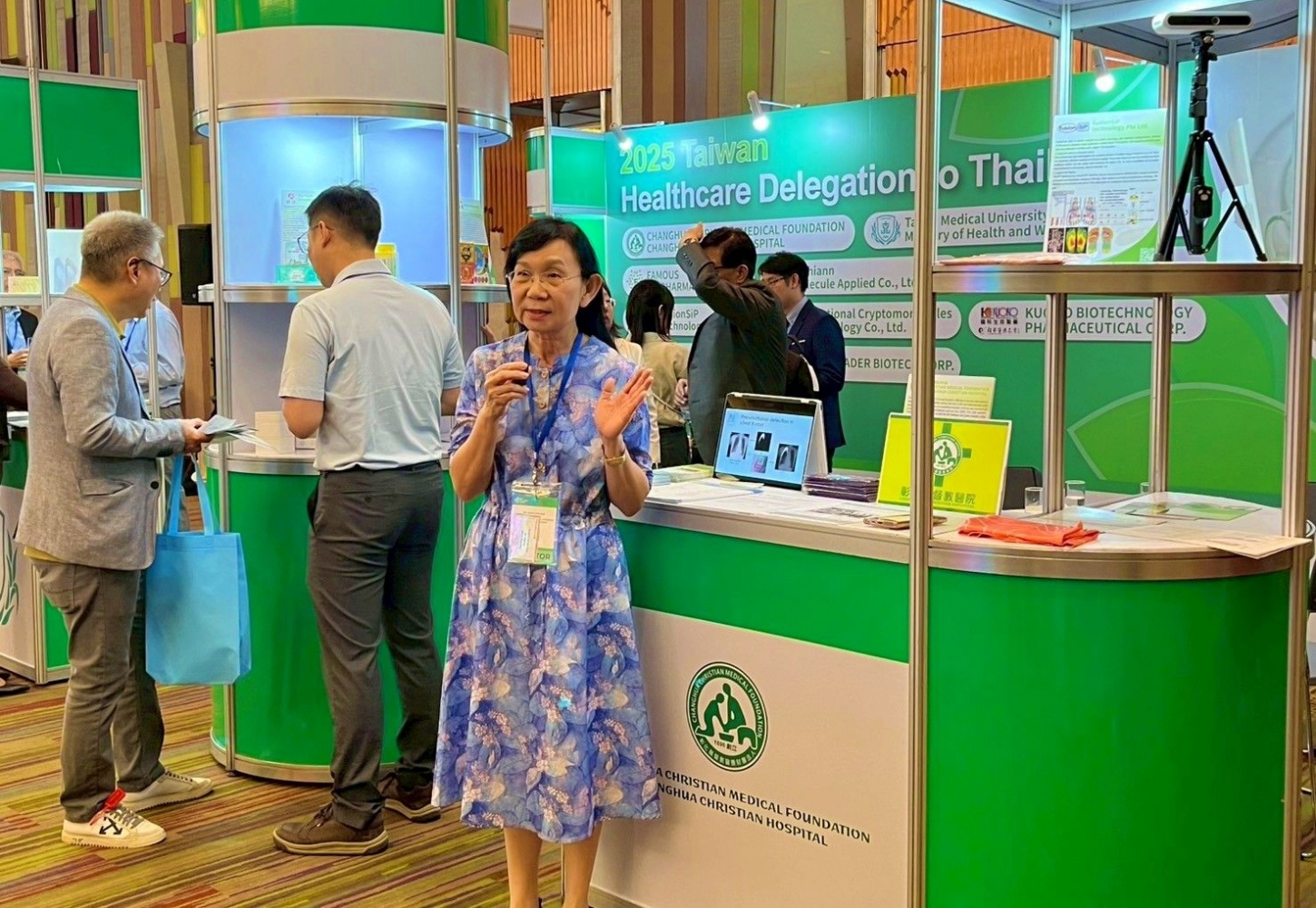
Nina Kao, CEO of Changhua Christian Hospital International Medical Service Center, plays a key role in facilitating Taiwanese companies' expansion into Thailand. (Source: CCH International Medical Service Center Facebook)
In the smart wards of Thonburi Hospital in Bangkok, the smart monitoring devices are recording the vital signs of the patients in real time, updating the data on the electronic whiteboards at the nursing stations.
Those were the efforts of Taiwan’s Changhua Christian Hospital (CCH) Overseas Medical Mission, which has successfully implemented Taiwanese smart healthcare technology in Thailand. This initiative is more than a technology transfer; it's a trust-building project.
In 2018, the Taiwanese government launched the "One Country, One Center for New Southbound Policy", designating CCH to lead efforts in Thailand. CCH's goal was to serve as a "Bridge" to help Taiwanese smart healthcare manufacturers enter the Thai market, successfully implementing an "Driving Industry Growth with Overseas Hospital Cooperation" model.
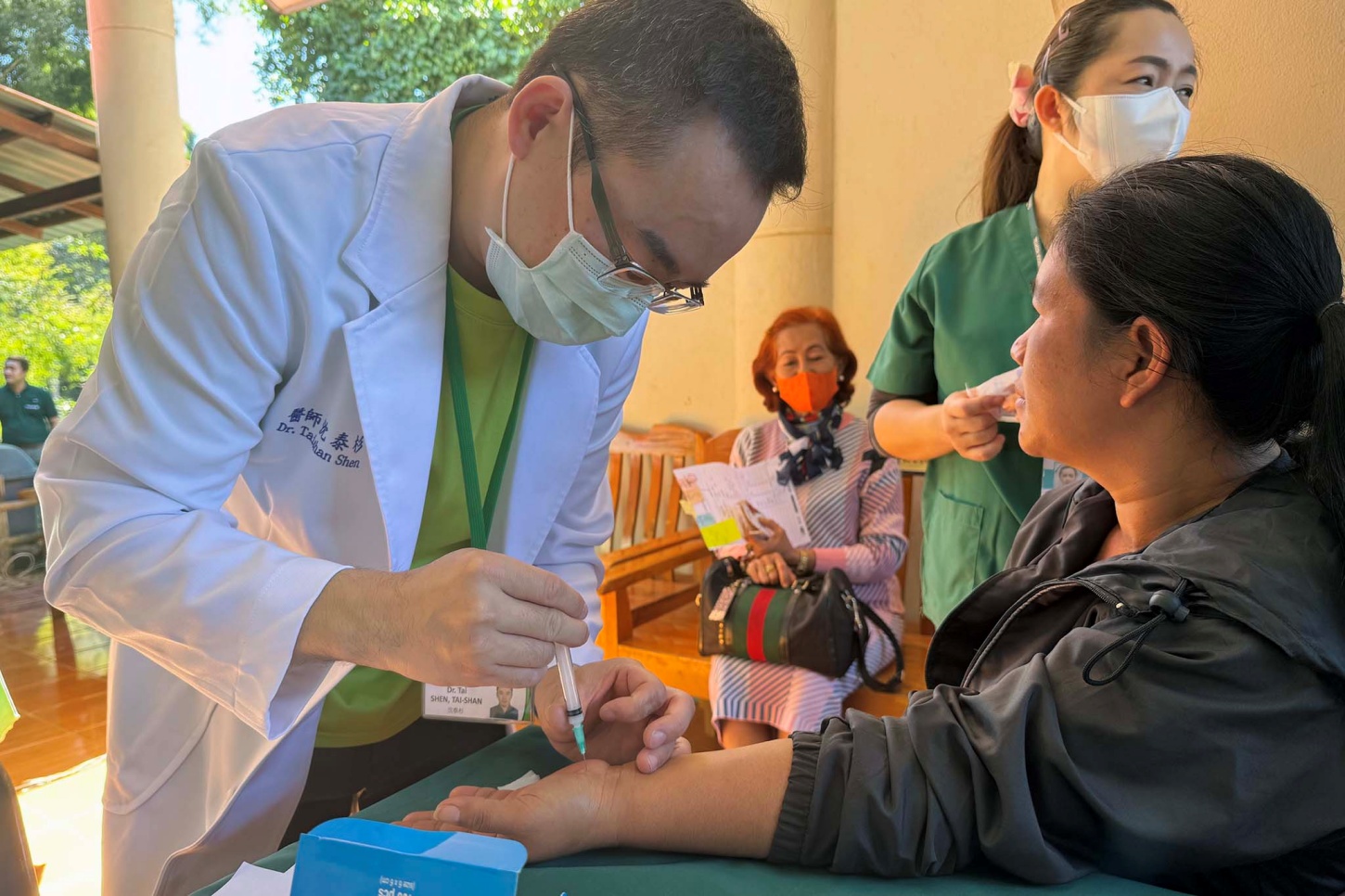
CCH medical team partners with Overbrook Hospital in Thailand to serve remote communities in northern Thailand. (Source: CCH International Medical Service Center Facebook)
The Foundation of Trust: Speaking the Hospital’s Language
CCH's success is rooted in establishing deep trust before introducing technology. The hospital’s Overseas Medical Mission CEO Dr. Nina Kao emphasized the need to "speak the same language," which refers not to English, but to shared medical clinical context and cultural/faith alignment.
CCH leveraged its existing, decade-long cooperation with Thai institutions like Overbrook Hospital in Chiang Rai and Bangkok Christian Hospital. This relationship, based on shared faith and institutional principles, spanned clinical service, professional training, and high-level management exchanges.
To further this trust, CCH implemented a "hospital-to-hospital" exchange mechanism:
- Annual Seminars & Study Tours: Inviting Thai hospital leaders and public health representatives to Taiwan to tour CCH's smart hospitals and observe their information systems and management models in practice.
- AI Workshops: Focusing dialogue on the essence of medical care—sharing clinical data and AI application experiences—rather than simple commercial promotion.
Dr. Kao stressed, "Hospitals understand the language of hospitals... We are not talking about commercial promotion, but how to make medical care better".
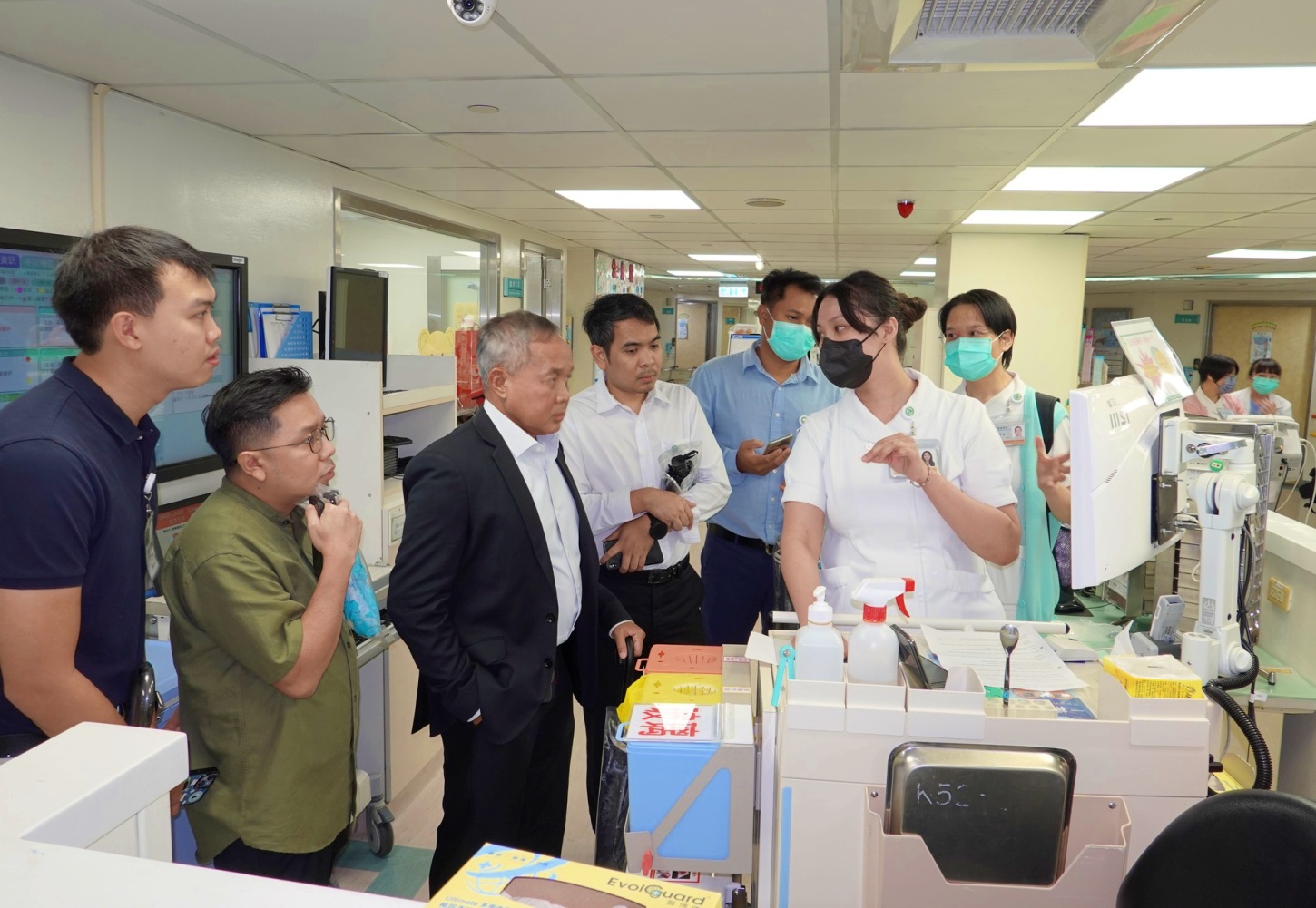
Thai medical staff from CCH's partner hospitals visit Taiwan for smart healthcare training. (Source: CCH International Medical Service Center Facebook)
Practical Implementation: From Demonstration to Daily Clinical Use
CCH functions as the "demand discoverer and integration promoter," connecting appropriate Taiwanese manufacturers to the right clinical settings. The goal is to ensure products are "genuinely being used clinically".
Key Case Studies:
- Thonburi Hospital Smart Ward (Bangkok): This first breakthrough was inspired by the Thonburi President's visits to CCH's smart hospital in Yuanlin. The 2023 launch integrated systems from Chunghwa Telecom and imedtac, automating and integrating ward information, from smart bedside cards and medication management to clinical data. For instance, after introducing the first rehabilitation robot, the hospital saw enthusiastic patient response to self-paid rehab programs, leading to expanded procurement and service.
- Overbrook Hospital (Chiang Rai): CCH, Chunghwa Telecom, and imedtac partnered again to establish a telemedicine system connecting Overbrook to two border clinics (Chiang Khong and Mae Sai), ensuring continuity of care.
- Other Adoptions: This model extended to Samitivej International Children's Hospital in Bangkok, which adopted the smart bedside card project. Additionally, Biomedica's osteoporosis AI prediction system was introduced into over twenty Thai hospitals, integrated into international medical check-up packages.
The Taiwanese "Teamwork" Strategy: Three Steps
Dr. Kao, leveraging her experience at International Cooperation and Development Fund (ICDF), outlined a three-step strategy for international market penetration:
- Observe Trends
Success depends on understanding Thai government policy direction. The healthcare market is strongly guided by national development policies, which constantly shift focus. Aligning technology with these strategic priorities ensures the product offers a truly demanded solution. Current Thai trends include high demand for AI image interpretation and wearable devices (driven by telemedicine and home care programs), as well as needs in rehabilitation (smart aids/robots) and clinical data management.
- Find Position
CCH avoided large public hospitals, which often purchase constrained European/US brands. Instead, they focused on the mid-sized private hospital sector. This "blue ocean market" appreciates Taiwan's offering: a reliable, mid-to-high-end option that is superior in quality and service to lower-cost Chinese/Indian products, while being more accessible than high-end Western brands.
- Encourage Usage
The product must be clinically accepted to form a market. This requires making partners "dare to use and willing to use" the product. Actual clinical use leads to feedback, correction, and adaptation to local needs, which is crucial for building the trust that ultimately opens the market door.
Future Direction
Dr. Kao believes that Thailand is viewing "healthcare" as a complete industry chain. It extends beyond treating illnesses to preventive medicine, health promotion, and wellness care, thereby driving medical tourism and national economic development.
"Every product has its unique value, and every manufacturer should find their own blue ocean market," she reminds Taiwanese manufacturers. Not every Thai hospital is developing smart wards, and not every Taiwanese manufacturer sells the same products.
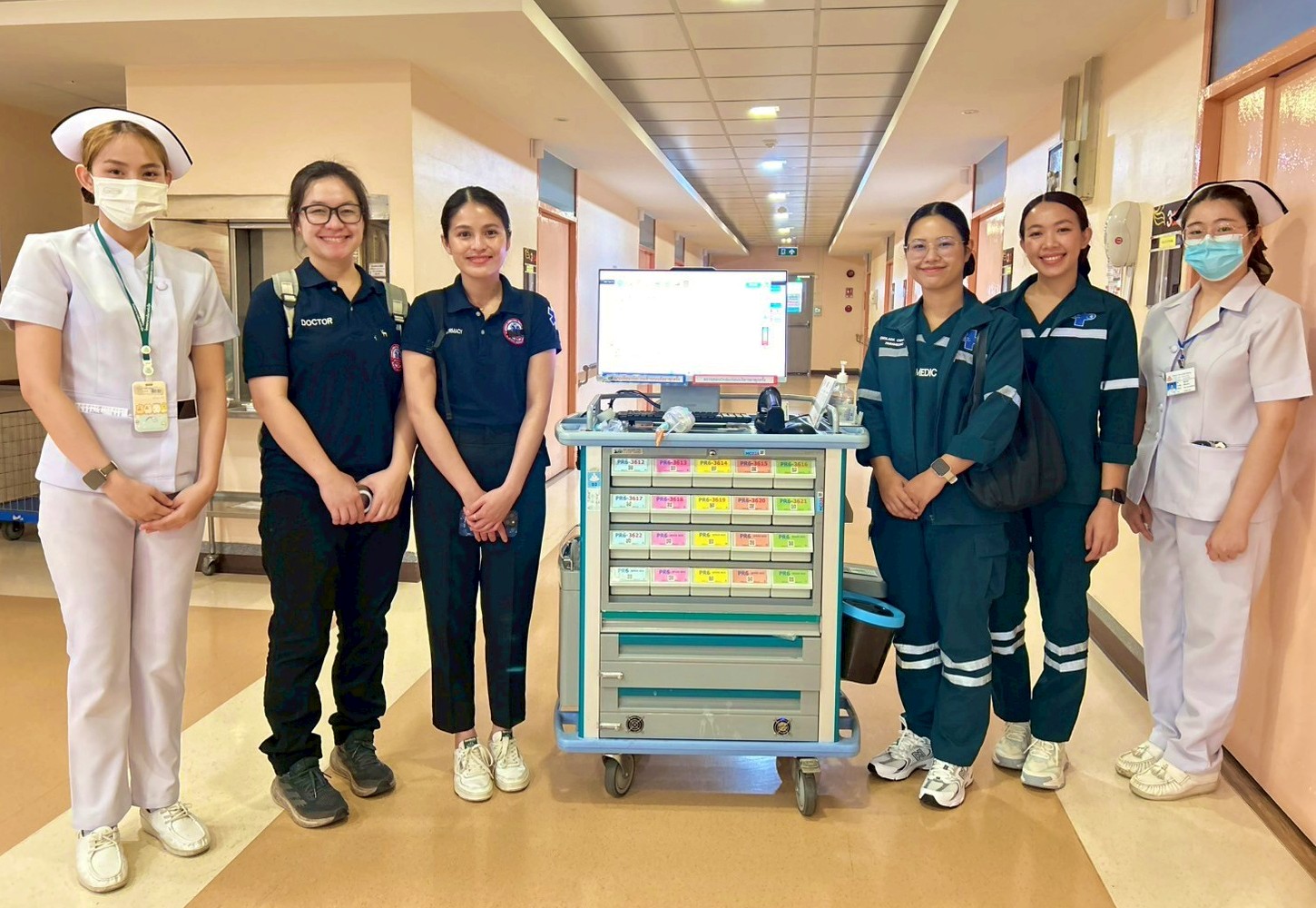
CCH and Overbrook Hospital jointly train four medical staff from Thailand's Wattana Medical Group. (Source: CCH International Medical Service Center Facebook)
Looking at current market trends, some regional governments in Thailand are actively promoting telemedicine and home care programs, with particularly high demand for AI image interpretation and wearable devices. Other hospitals focus on rehabilitation and long-term care, introducing smart assistive devices and rehabilitation robots. Furthermore, some hospital-affiliated medical schools wish to develop clinical data management and teaching systems. Dr. Kao suggests that Taiwanese companies should assess their own strengths, find the most fitting entry point with local medical needs, and move toward more strategic division of labor and cooperation.
The next step for CCH's cooperation focus is moving from Bangkok to the northeastern province of Khon Kaen. This area has relatively fewer medical resources but strong policy support and an open environment for trials, making it an ideal stage for the implementation of new smart healthcare models.
This cross-border partnership ensures that Taiwan is seen as a long-term partner solving clinical problems allowing the value of "healthcare for all" to flourish internationally.
(Producer: Sophie Y. Wu/Writer: Echo Chu/Adapted by Judy Lin/Editor: Lihua Wang)
【Deep Read】Targeting Thailand's $20bn Opportunity: "Healthcare-led" Industry Push