Biomedica's AI determines osteoporosis risk in six seconds. Founder Richard Lin shares how international certifications—FDA, CE, or Singapore HSA—shortened Thailand's approval from over one year to just eight months. But he warns: switching local distributors means surrendering certification and restarting from scratch.
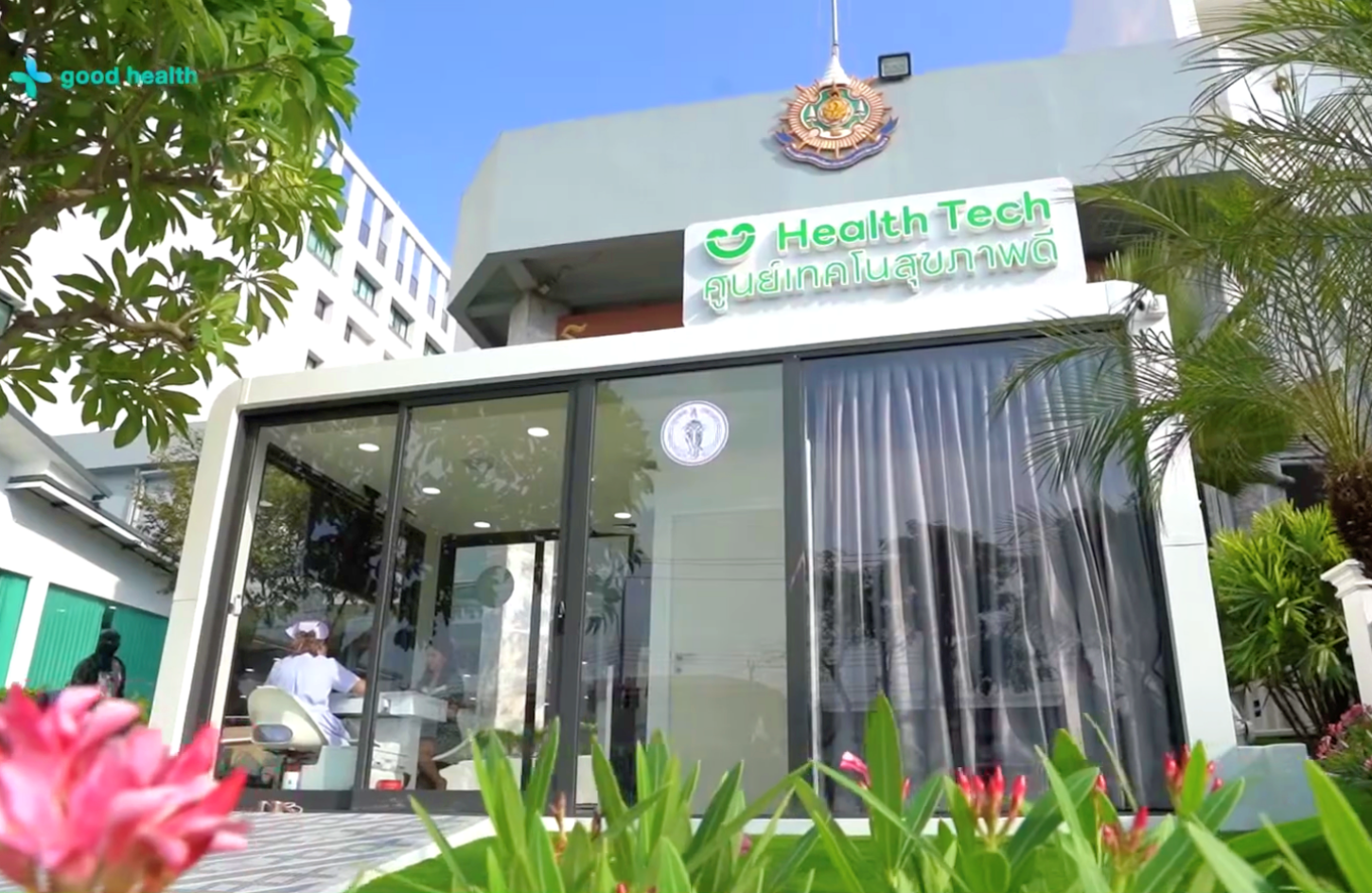
Biomedica explores partnership with Thailand's largest mobile health screening service for AI osteoporosis screening. (Photo courtesy of Biomedica)
Leveraging AI, smart medical device maker Biomedica precisely determines the degree of osteoporosis in patients in only six seconds. This technology dramatically shortens testing time, alerting more patients to potential health risks and significantly reducing future medical costs.
Aided by Taiwan's Ministry of Health and Welfare's "Healthcare Leads Industries Initiative" policy of Taiwan’s Ministry of Health and Welfare, Biomedica has made strategic use of Taiwanese hospitals expanding their presence in Thailand. This collaboration proved highly effective in facilitating the sale of their products in Thai hospitals. In an interview with the Institute for Biotechnology and Medicine Industry (IBMI), Biomedica founder Richard Lin shared valuable insights from his experience entering the Thai market.
International Certifications Speed Up Market Entry
Based on his own business experience, Lin observes that most countries heavily regulate medical devices, and making good use of fast-track customs clearance channels is a crucial step that determines how fast a Taiwanese company can expand into a new market. “In Thailand, if a product already possesses US FDA certification, European Union CE marking, or certification from another Asian country that has a cooperative recognition agreement with Thailand, such as certification from Singapore’s Health Sciences Authority (HSA), the chance of accelerating the approval process in Thailand is far higher,” Lin explains. This can significantly shorten the time manufacturers need to enter the market.
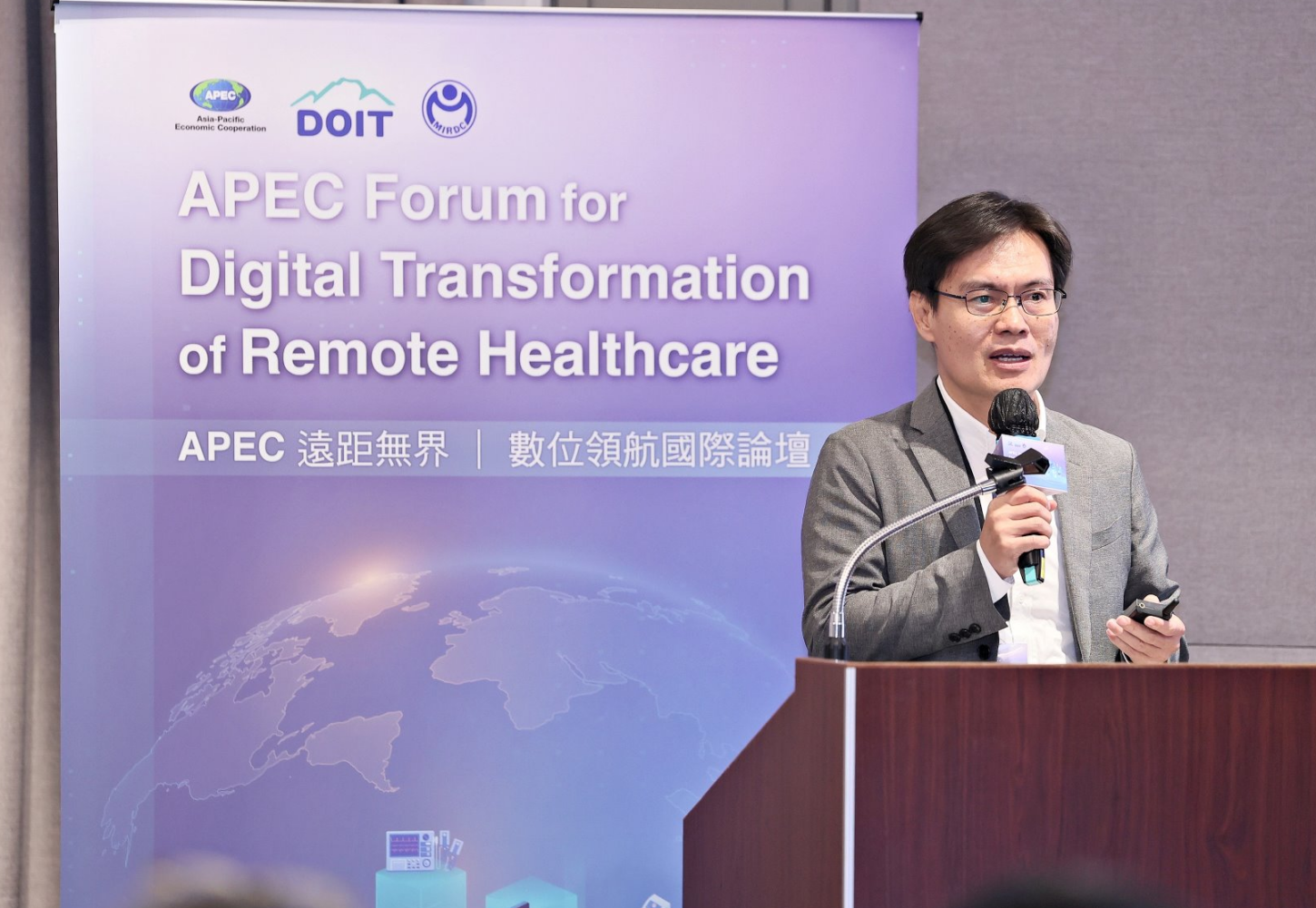
Biomedica founder Richard Lin: International certifications significantly accelerate Thailand market entry. (Photo courtesy of Biomedica)
For example, Biomedica submitted its Thai certification application in March 2024 and received approval in November, completing the entire process in only about eight months. “We were far more efficient than average,” Lin declares, pointing out that without certification from advanced countries like Singapore, the EU, or the United States, applications to enter the Thai market typically require a waiting period of at least one year, which significantly increases both cost and risk for the manufacturer.
However, Lin admits that even with the advantage of a fast-track channel, the whole process from initial contact to completing local certification and clinical verification still takes considerable time and effort. “After all, medicine involves the safety of human lives, so the industry is generally very conservative,” he explains. Changing hospital procurement practices is not easy, and to gradually open up the market, certification is just the beginning. Constant effort is needed going forward, such as publishing findings in international journals and communication on an ongoing basis.
Choose Your Distributor Cautiously: Replacing One Means Starting Over
Richard Lin also cautions that when doing business in Thailand, selecting the right distributor is crucial. “Thai regulations stipulate that foreign companies can’t directly apply for smart medical device certification, but have to apply jointly with a local distributor.” Carefully compare and thoughtfully consider the options, Lin advises. Changing partners means surrendering the previous certification qualifications and reapplying, essentially starting from scratch, which is immensely costly. Therefore, thorough communication and rigorous vetting before forming a partnership is essential.
Lin shares his philosophy for selecting a distributor: First, confirm that the distributor is genuinely interested in new products in cutting-edge areas like AI. Next, assess the company’s size, its familiarity with the field in question, and its distribution structure and sales methods. “A startup company’s products and brand awareness are limited, so it’s impossible to immediately become a major client for a distributor,” he acknowledges. Make sure that the potential partner shares your vision, has on-the-ground capabilities to communicate effectively with hospitals, and is interested in AI-related services. “A large company with a boss who is experienced and older but recognizes that AI is the future and appoints a younger product manager to handle the operation” may be the ideal combination, Lin believes.
Target Out-of-Pocket Treatment, Use the AI Advantage
When it comes to market strategy, Lin also has a unique perspective. He concedes that osteoporosis is not a critical illness, so patients may not feel a sense of urgency to seek immediate treatment; therefore, correctly defining the target audience is crucial. “We tend to focus on hospitals that do not currently offer DEXA [Dual-energy X-ray Absorptiometry] services to detect osteoporosis,” he explains. Up to now, these hospitals have been unable to provide bone density testing. Biomedica can help them offer a new diagnostic service with their existing X-ray machines, which is an excellent tool for hospitals to increase revenue.
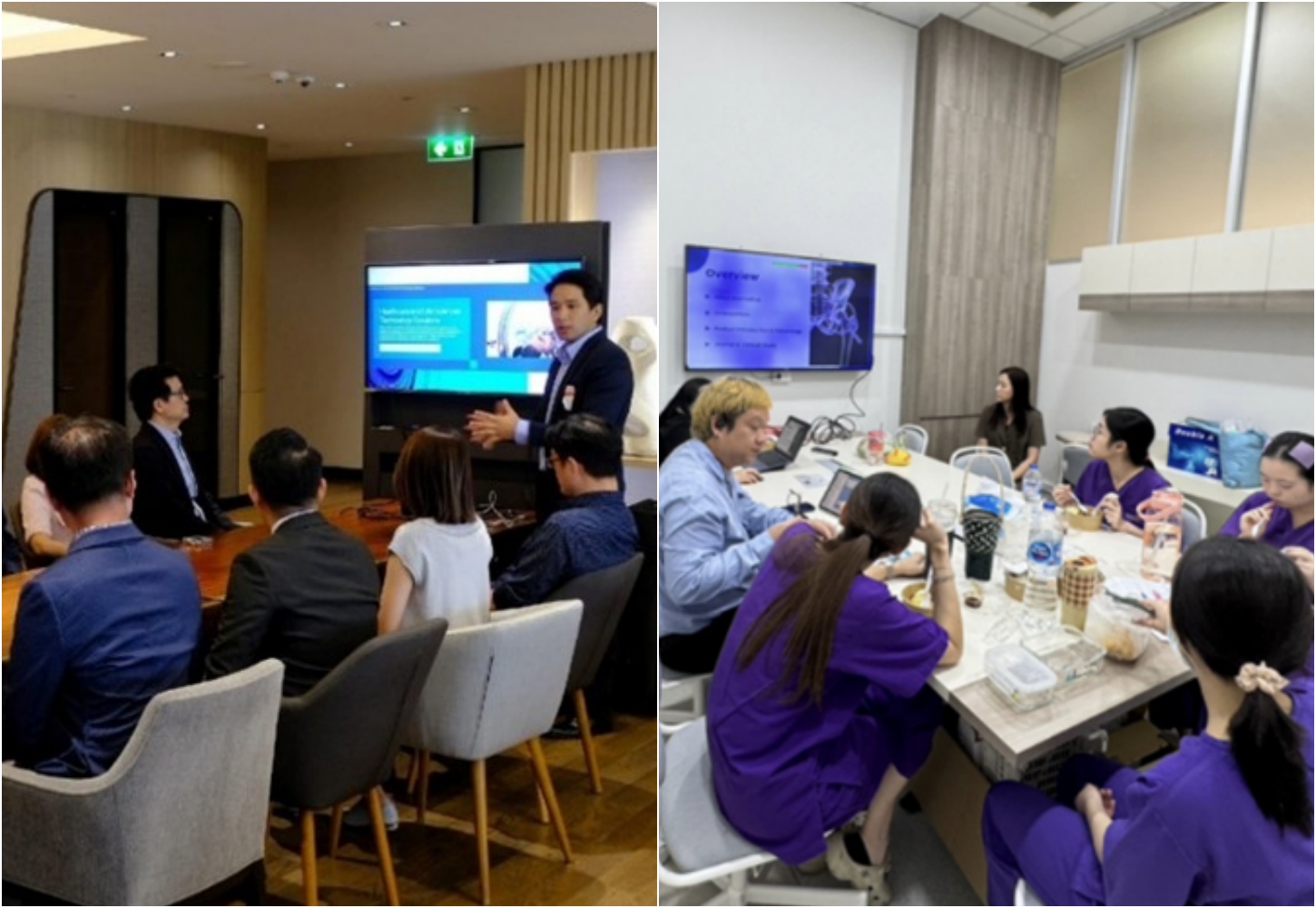
Biomedica demonstrates AI osteoporosis detection software at Bangkok hospitals and clinics. (Photo courtesy of Biomedica)
Pricing strategy is also critical. By leveraging the precision and high efficiency of AI, Biomedica seeks to work with existing testing conventions and standards and help hospitals enhance their screening capacity, which lowers the price threshold. This encourages wider adoption by both medical institutions and end-users and helps raise awareness of osteoporosis prevention among the local population. Currently, Thailand’s Universal Health Coverage system offers limited reimbursement for AI testing. The most effective approach is therefore to focus on private hospitals, which have greater budgeting flexibility, and medical institutions willing to provide out-of-pocket services.
Biomedica is already working with several Thai hospitals. Since the product utilizes a cloud-based architecture, hospitals can directly trial the system online without installing any additional hardware, significantly simplifying adoption. One healthcare group that manages three hospitals has already officially purchased the Biomedica system, along with a partner hospital in Laos. After high-risk patients are detected, they are referred to larger hospitals in Bangkok for treatment. Biomedica is already collaborating with a local Thai hospital on a clinical study of 100 to 150 cases to verify the AI system’s accuracy in the local population.
With a population of 70 million, Thailand is the preferred entry point for many medical startups looking to make inroads in ASEAN. By swiftly achieving certification and cautiously selecting its distributor, Biomedica is already well underway in this key market. Richard Lin is hopeful that the continued promotion of the "Healthcare Leads Industries Initiative" policy will help Taiwanese manufacturers meet the needs of overseas markets and ultimately carve out more opportunities for Taiwan’s smart medical device industry.
(Producer: Sophie Y. Wu/Writer: Chiyuan Chou/Adapted by Brent Heinrich/Editor: Lihua Wang)
【Deep Read】Targeting Thailand's $20bn Opportunity: "Healthcare-led" Industry Push